
Artificial Intelligence (AI) and Data Science
Our team of experienced specialists uses Artificial Intelligence (AI) and data science to provide a range of evidence-based services.
We use Artificial Intelligence (AI) and data science to help our clients solve complex social and environmental problems. Our team combines deep subject knowledge with modern digital tools. This allows us to provide clear insights from large amounts of information. We focus on using these technologies in a way that is ethical and easy to understand.
Qualitative Data Analysis
We use Large Language Models (LLMs) to analyse text from large-scale consultations and interviews. This helps us find key themes quickly while keeping our findings specific and accurate.
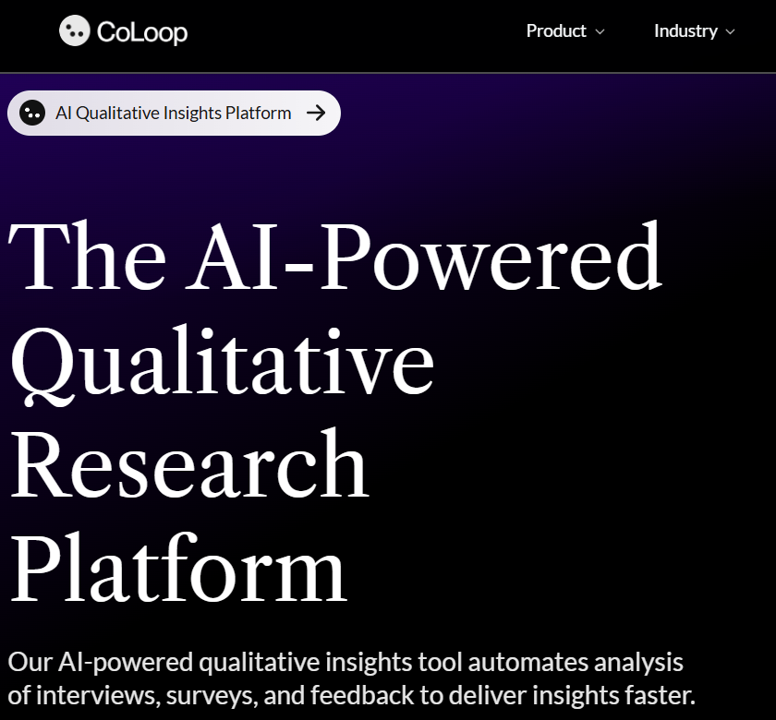
We use applications like CoLoop to help identify key themes and perform sentiment analysis from interviews.
We also use AI to scan and analyse and extract data from very large sets of documents. This process allows us to find patterns and themes that might be difficult to see in thousands of pages. For example, we have used AI to review hundreds of Climate Transition plans for companies. This method helps us to identify key trends and gaps across many different reports quickly and accurately. We ensure that our findings are specific to the needs of each project.
Evidence Synthesis

Our team uses AI to explore a range of literature and policy documents. We use AI to both help identify and bring together research from many different sources. We have found AI to be particularly useful when we doing deep dives on very specific topics, such as multiple climate change risks for a specific area.
By using these tools, we can compare different types of evidence at once. This provides a comprehensive view of how for example various climate risks interact in different contexts. We use this evidence to help clients create well thought out policies and plans.
Ethical AI Support and Integration
We help organisations use AI safely and effectively. Our team has a clear understanding of the capabilities and limitations of different AI models. We advise on how to integrate these tools into existing systems, such as Microsoft Foundry.
We also look for ways to use automation to make repetitive tasks more efficient. Our approach ensures that there is always human oversight to maintain quality and fairness. We explain the risks and benefits of each tool to help you make informed decisions.